Fifteen Seconds to Famous: How One Viral Clip Can Launch a TV Career
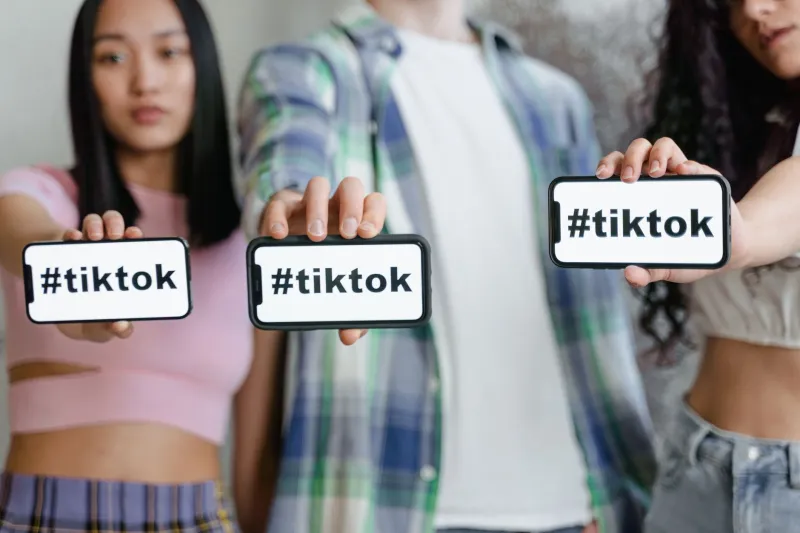
Remember when you found out about a new show because your friend mentioned it at brunch, or because a critic gave it four stars in a magazine? That pipeline still exists, technically. But let's be honest — the last five shows you got obsessed with probably found you through a 22-second TikTok that autoplay'd while you were lying in bed at midnight.
The viral clip has become the most powerful promotional tool in television, and it's reshaping everything: which actors break through, which canceled shows get second chances, and which overlooked gems suddenly have a million new viewers who had no idea the show existed.
This isn't just a curiosity about how social media works. It's a fundamental shift in the entertainment ecosystem, and it has real consequences for what gets made and who gets famous.
The Clip That Changes Everything
Let's start with the phenomenon itself. A show airs. Most people don't watch it in real time — they might catch it on a streaming platform weeks later, or not at all. But one scene gets clipped, posted, and shared. Maybe it's a monologue that hits differently out of context. Maybe it's a comedic reaction shot that perfectly captures a feeling everyone has had. Maybe it's a fight scene with choreography so clean that people keep watching it on loop.
That clip does something the original broadcast couldn't: it finds the exact audience most likely to care about it. The algorithm handles the targeting. The viewer handles the sharing. And suddenly an actor who had maybe 12,000 Instagram followers on a Tuesday has 400,000 by Friday and a new agent calling.
This happened in a significant way with Outer Banks on Netflix, where specific scenes circulated on TikTok and introduced the show's cast to a massive teen audience that might never have found it through traditional promotion. It happened with Abbott Elementary, where clips of Quinta Brunson's deadpan delivery started making the rounds and convinced skeptical viewers that yes, actually, a broadcast network sitcom could be genuinely funny in 2022. The show's awards season success followed directly from that kind of grassroots digital momentum.
Studios Have Figured This Out (And It's Getting Strategic)
Here's where things get a little more calculated. Studios and streaming platforms have watched the organic clip economy long enough to start engineering it. They're now deliberately releasing specific scenes — not full trailers, not full episodes, but carefully chosen clips — timed to generate the exact kind of social media traction that drives subscribers.
Netflix in particular has gotten aggressive about this. Short vertical-format clips optimized for TikTok and Instagram Reels are now a standard part of their promotional playbook. The goal isn't just awareness — it's getting a specific moment to feel like something you discovered yourself, rather than something a marketing team pushed at you. The best promotional clips feel accidental. They're not.
This has an interesting side effect: the scenes that get greenlit for clipping are increasingly scenes designed to be clipped. There's a growing school of thought in writers' rooms that every episode should contain at least one moment with genuine standalone viral potential — a line, a beat, a reaction that works even without the surrounding context. Whether that's making TV better or just making it more optimized is a debate worth having.
Careers Built in the Algorithm
The human side of this shift is genuinely fascinating. Actors who have been grinding for years in supporting roles are suddenly finding that one scene — one scene they might have shot in a day — becomes their calling card in a way that years of solid work never managed.
Jenna Ortega is a good example. She had been working steadily for years before Wednesday, but the viral clip of her iconic dance sequence didn't just promote the show — it effectively introduced her to a generation of viewers who hadn't followed her earlier career. That clip, and the wave of reaction videos and recreations it spawned, made her one of the most talked-about performers of 2022 almost overnight.
For lesser-known actors, the stakes are even more dramatic. A supporting player in a limited series can go from relative anonymity to recognizable face entirely because of how one scene travels online. That's a genuinely new career trajectory that didn't exist ten years ago.
The Second-Life Effect for Canceled Shows
Viral clips don't just launch careers — they can resurrect shows that have already been put in the ground. Arrested Development had been off the air for years when it developed a second wave of passionate fans who discovered it through clips and GIFs circulating online. That renewed interest directly contributed to its Netflix revival.
More recently, shows with modest original ratings have found huge new audiences on streaming platforms after specific scenes went viral. The clip becomes a gateway drug. Someone watches a 30-second moment, gets curious, finds the show on a platform, and binge-watches the whole thing in a weekend. Multiply that by a few hundred thousand people and you've got a renewal conversation.
What This Means for How You Watch TV
Honestly? It means your viewing queue is increasingly being curated by strangers on the internet who happened to clip the right moment at the right time. That's not necessarily a bad thing — some genuinely great shows have found audiences they never would have reached through traditional promotion. But it also means the shows that are best at generating viral moments aren't always the same as the shows that are best at sustained storytelling.
The clip economy rewards peaks. It doesn't always reward the slow build, the patient character work, the episode that's setting something up three episodes down the line. As studios get better at engineering viral moments, viewers should stay a little skeptical of whether the clip they just watched represents the whole show — or just the one scene the algorithm decided you needed to see.
Either way, keep your eyes on those comment sections. The next big TV star is probably already in your For You page. You just haven't recognized them yet.